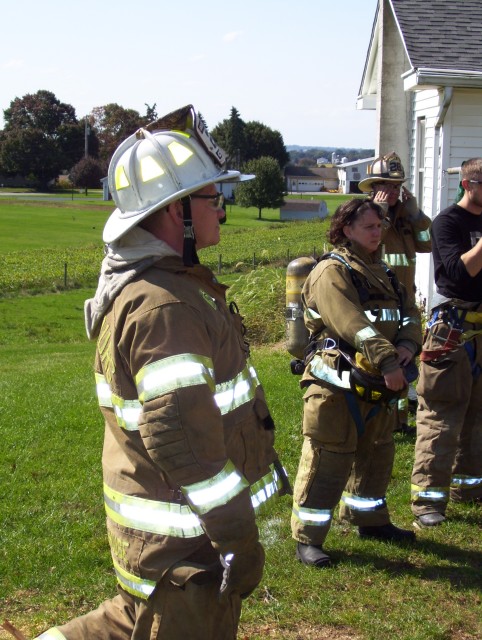
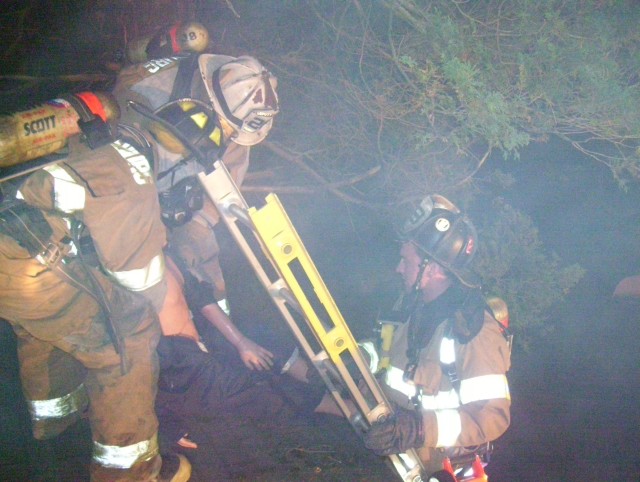
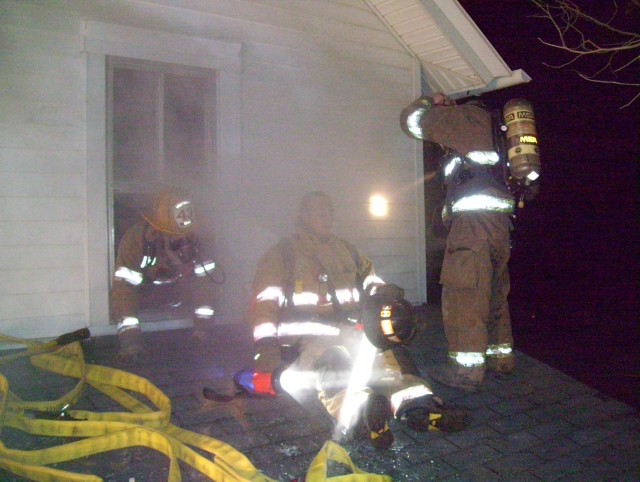
Over this past week Parkesburg Fire Company hosted a PA State Fire Academy Truck Company 1 course. This course is a 16 hour long course that goes over the basic operations of Truck or Ladder Company on a fire ground. The course includes both classroom time and practical skills time. The course was held over three days last week and this week. Truck Company operations cover a large amount of necessary tasks on a working fire ground. Some of these tasks include, but are not limited, to Forcible Entry, Search and Rescue, Ventilation, and Salvage and Overhaul.
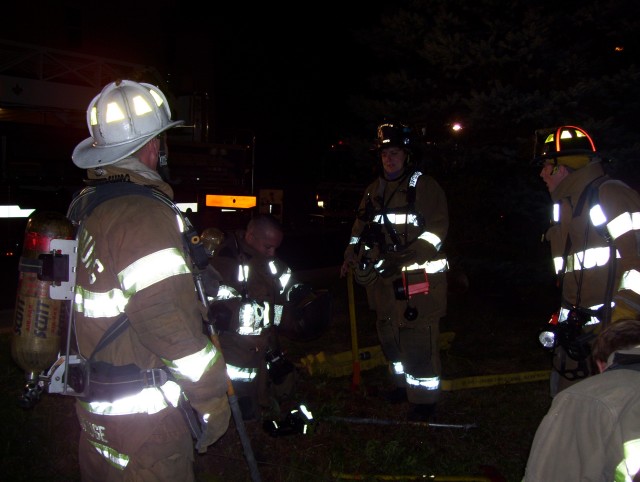
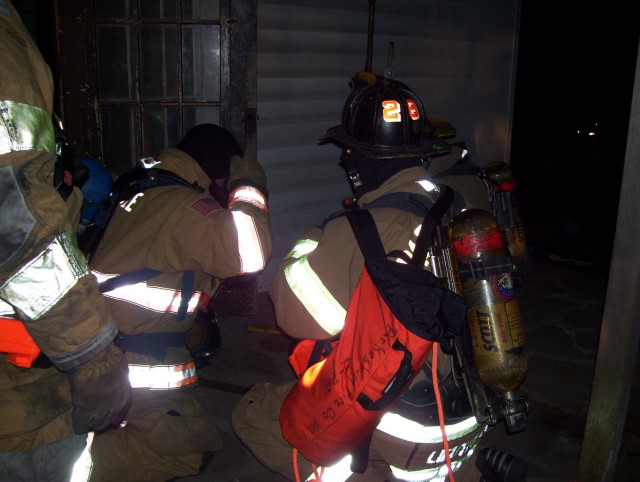
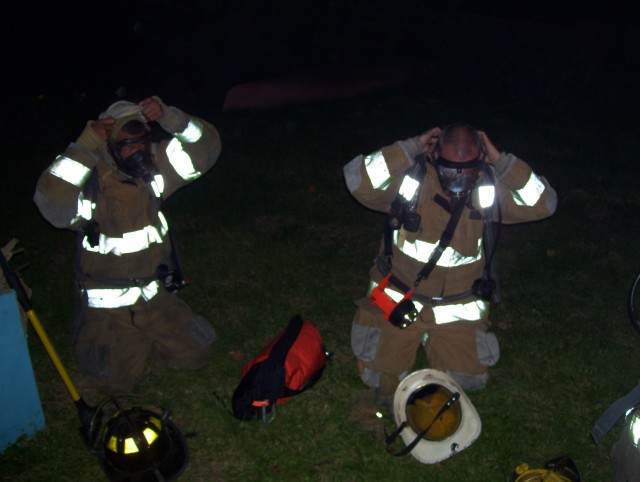
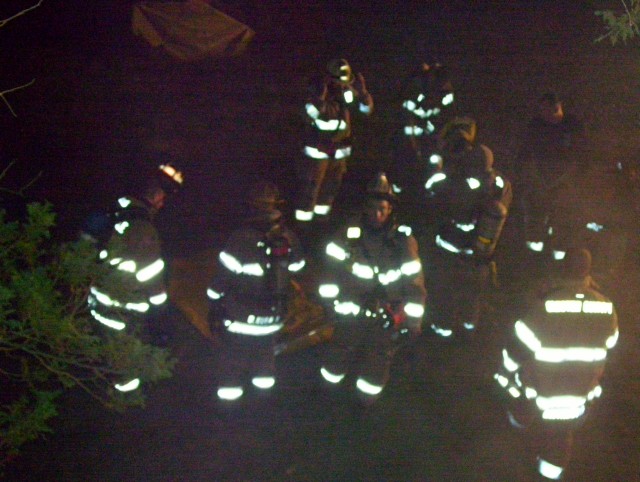
The first night of class was spent going over an introduction to Truck operations and different ways to accomplish these tasks. The crews were split into two teams for the night, the "outside" team and the "interior" team. After splitting into these teams separate tasks were assigned to be completed.
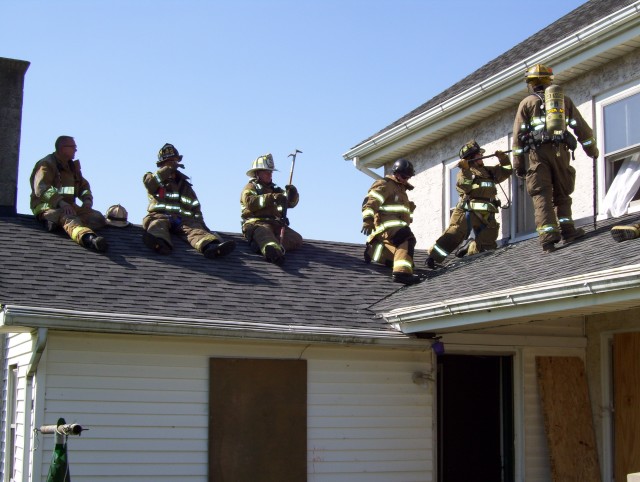
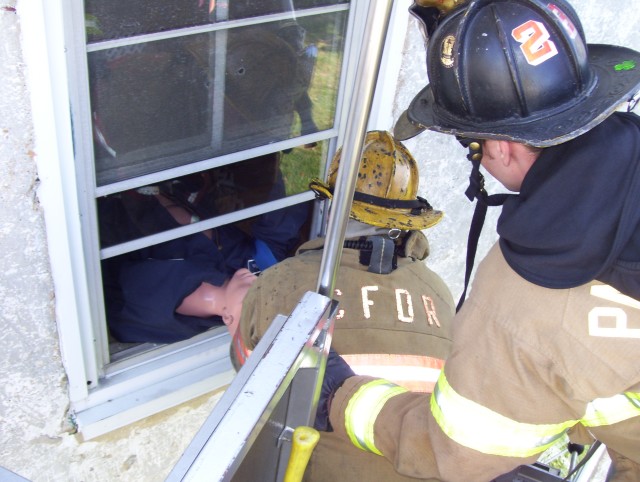
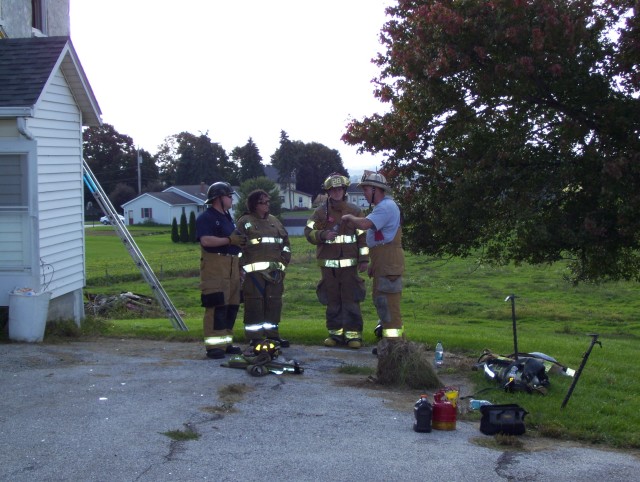
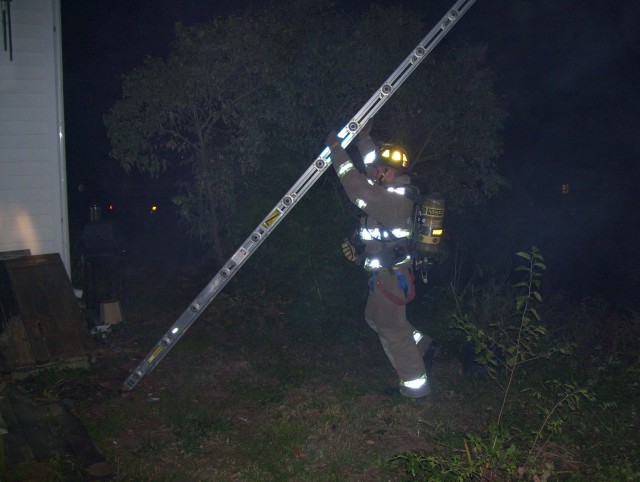
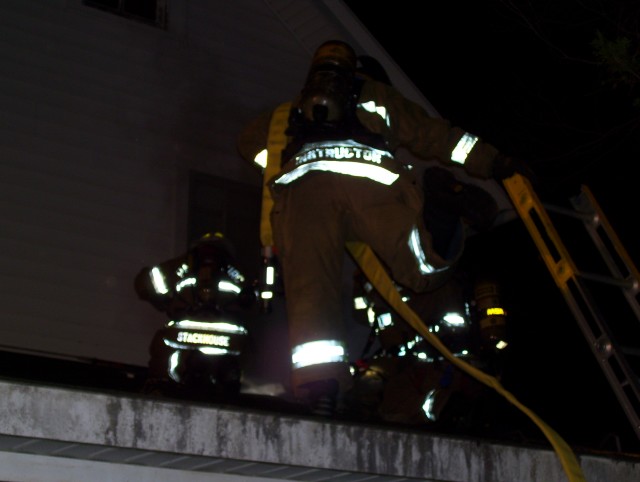
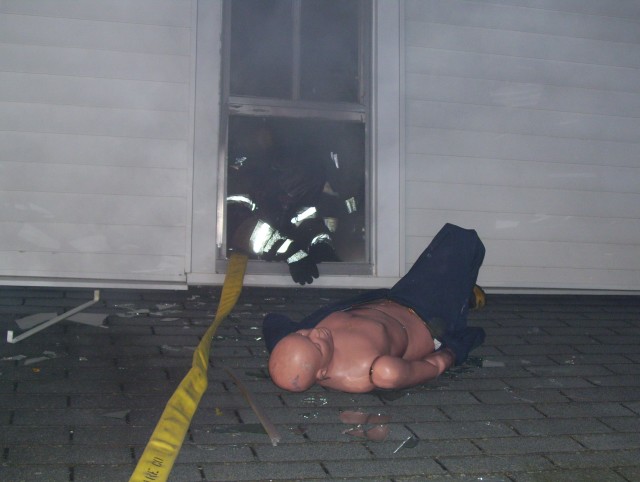
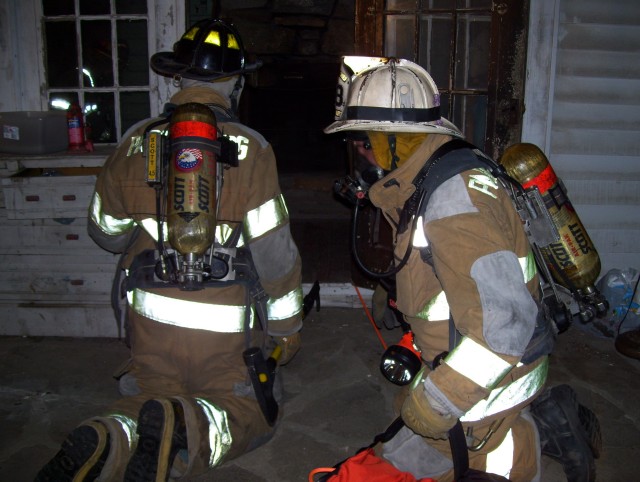
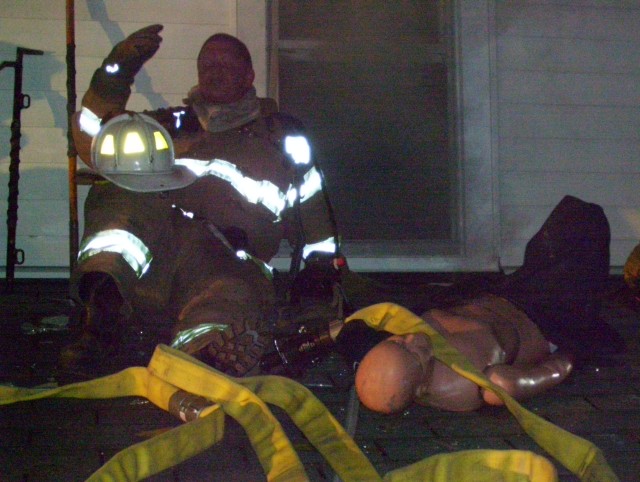
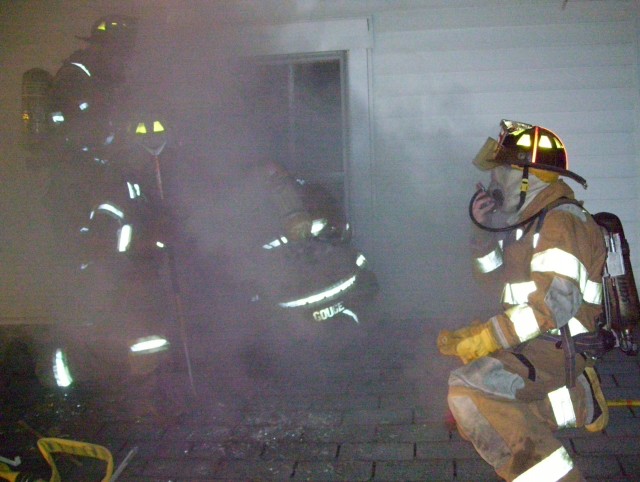
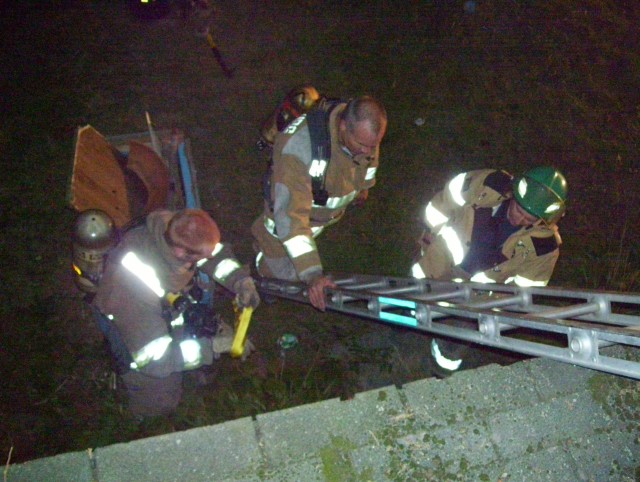
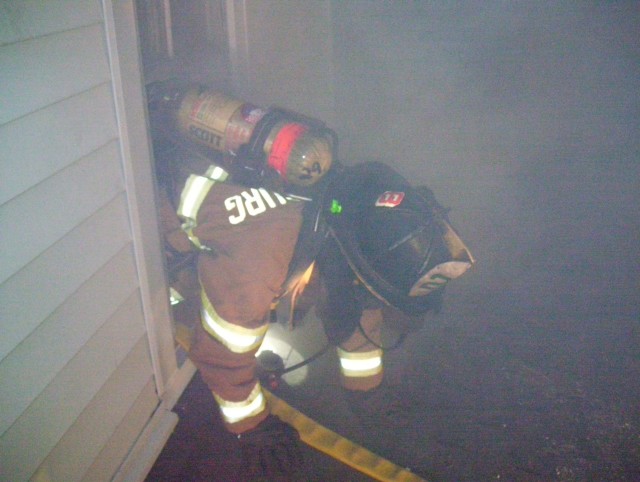
The "outside" team was tasked with deploying ground ladders to all sides of the structure along with upper floor rescues and deploying portable lighting to the fire ground for a safer work environment. The team deployed ladders to the windows and began horizontal ventilation procedures in time with the inside team. During this time the inside team forced entry through several locked doors and began a primary search for victims. The victim was located in a bedroom and taken out the window for rescue by the outside team. After both teams cycled through and completed all tasks the night was ended with a short review of the operations.
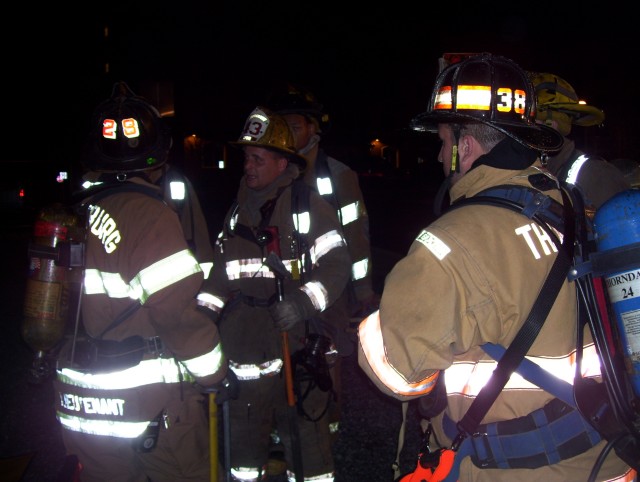
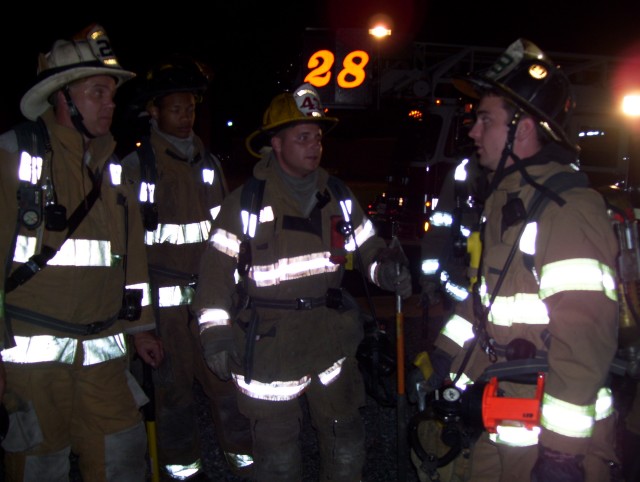
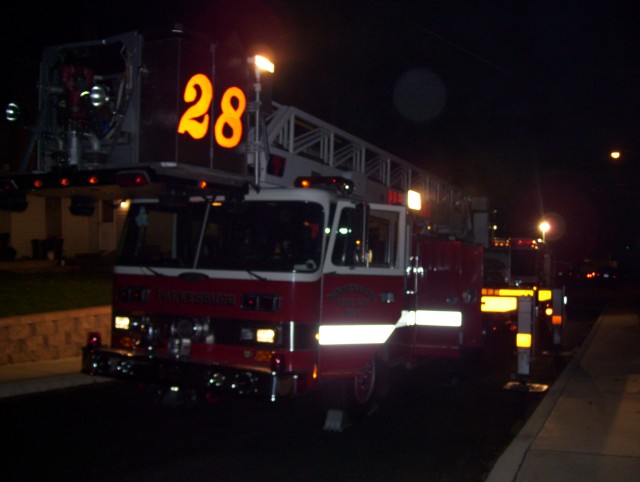
The second day of class was spent going over the priorities of a Truck company and going over several more techniques to accomplish these tasks. The day started around 0800 hours at Station 28 with a classroom session. After a review of topics such as building construction, different tools of a Truck Company and through the lock forcible entry the class took a lunch break. After Lunch the class gathered and reviewed the topics for the afternoon practical session.
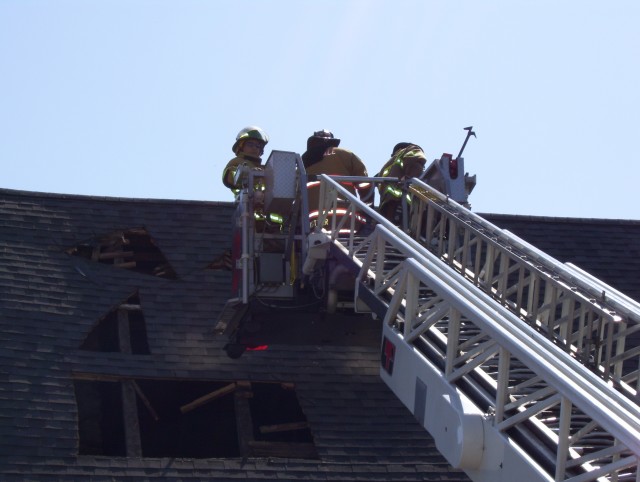
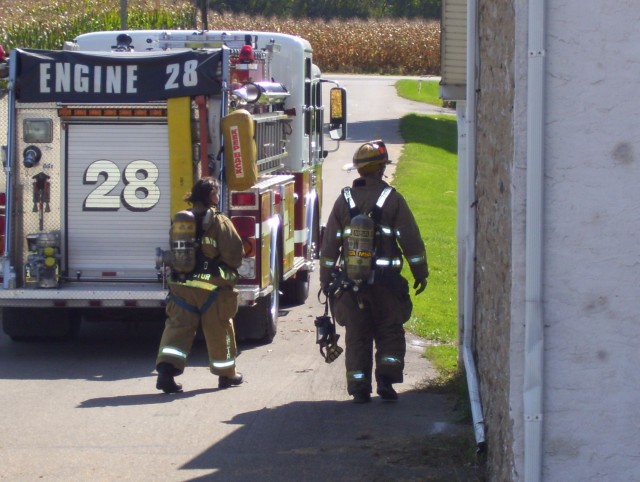
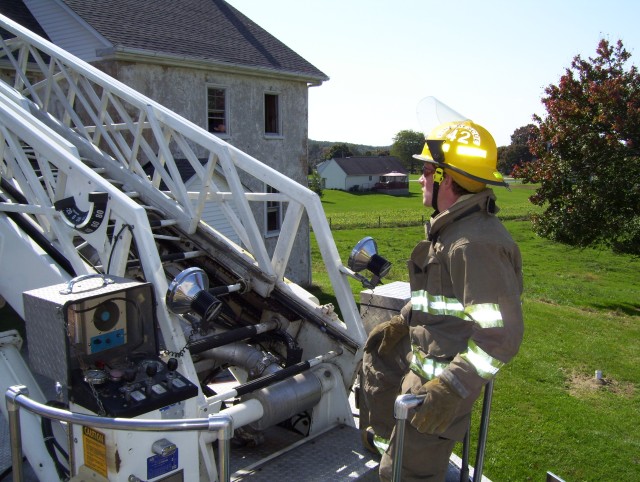
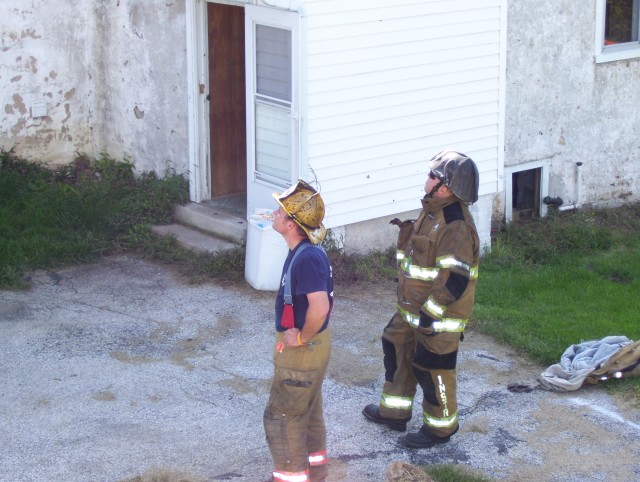
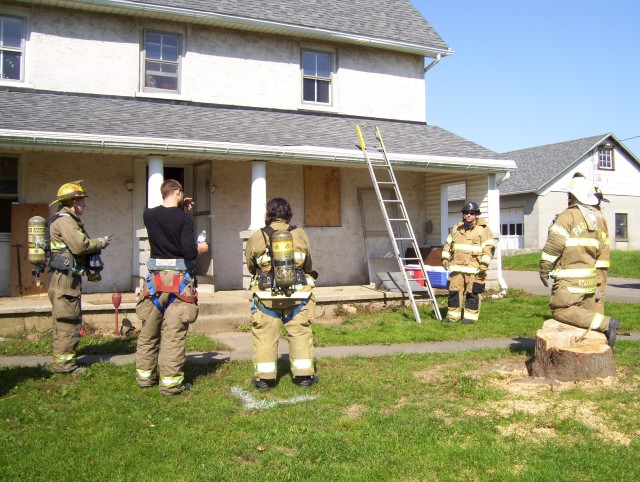
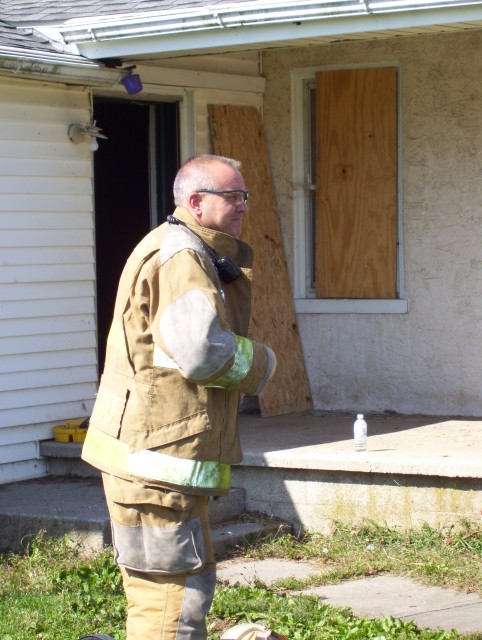
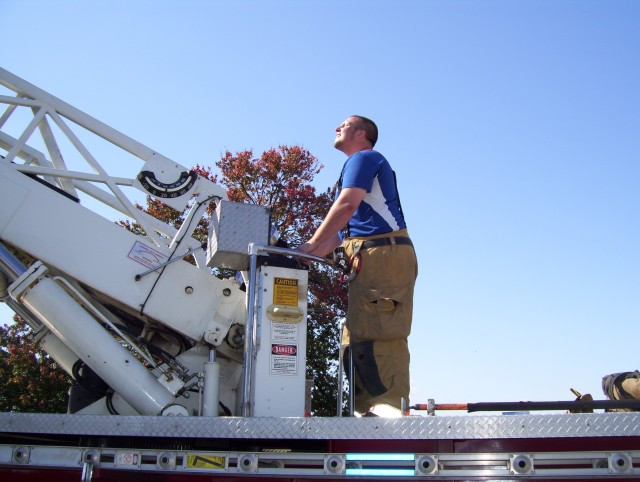
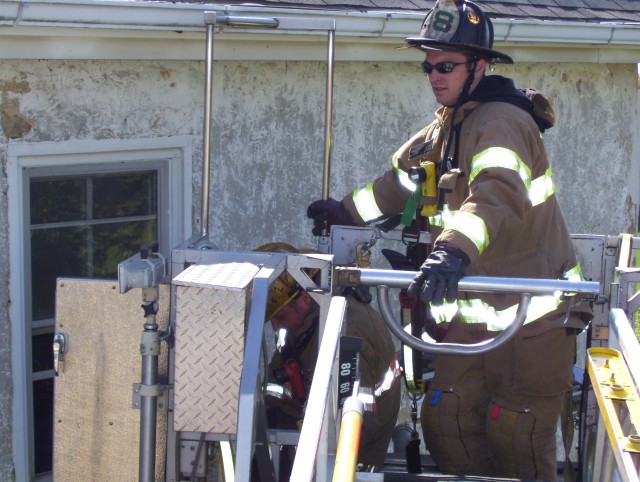
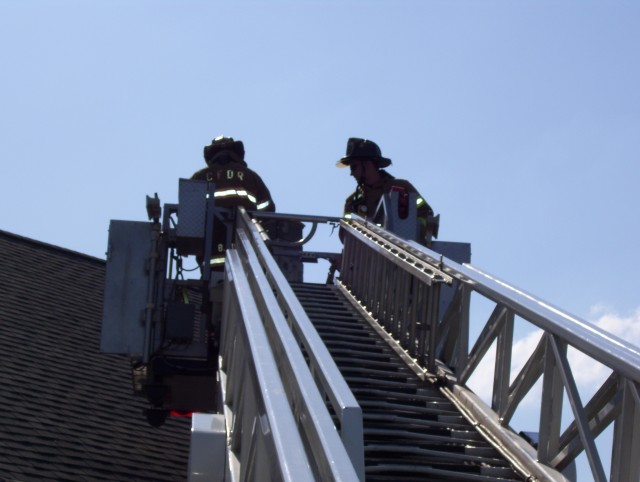
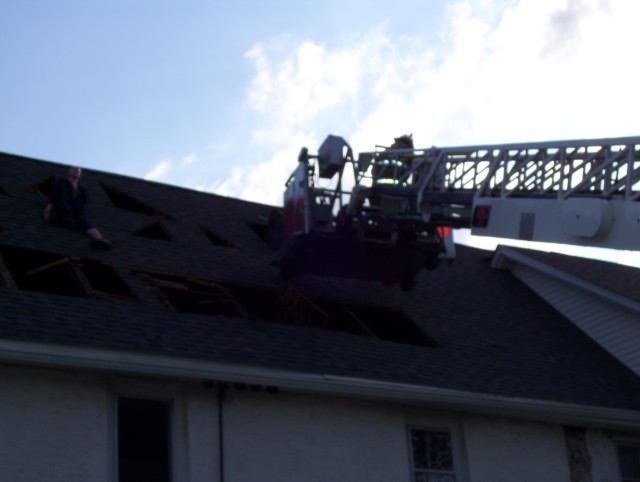
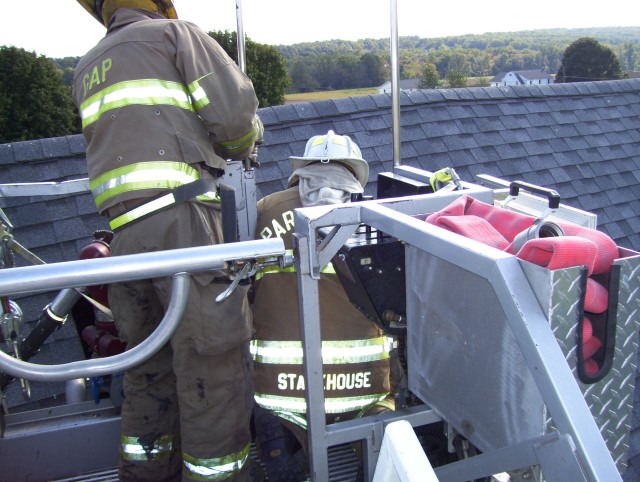
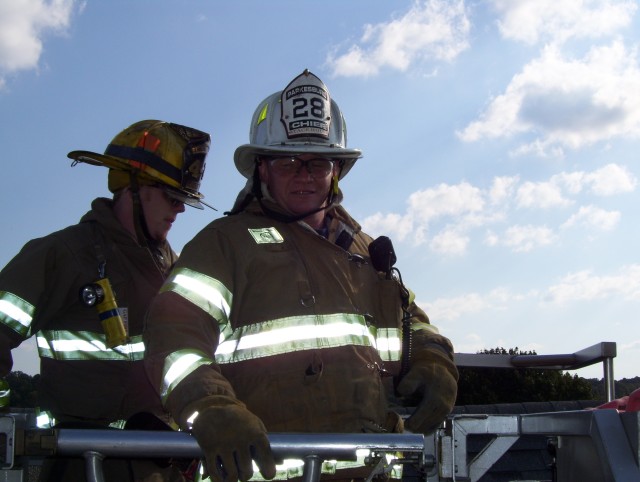
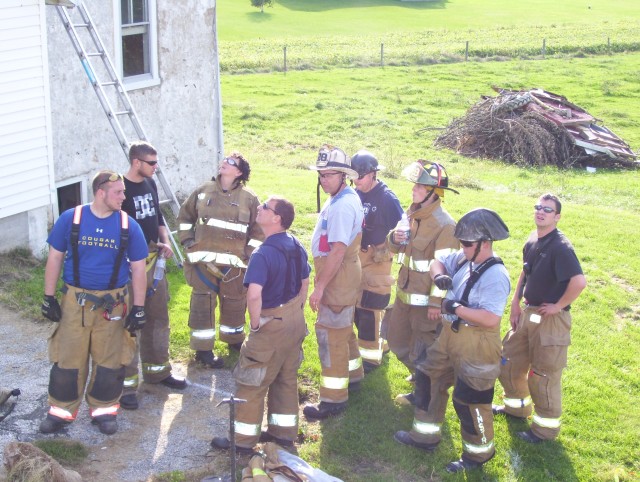
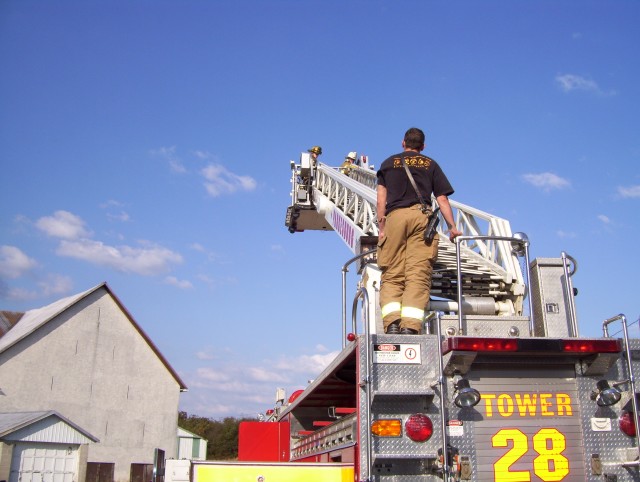
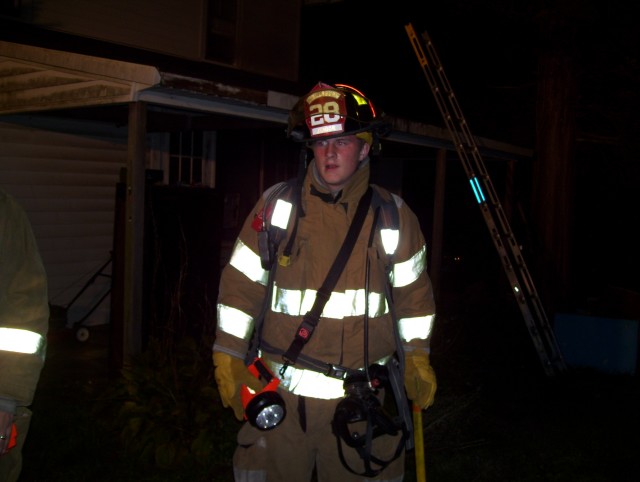
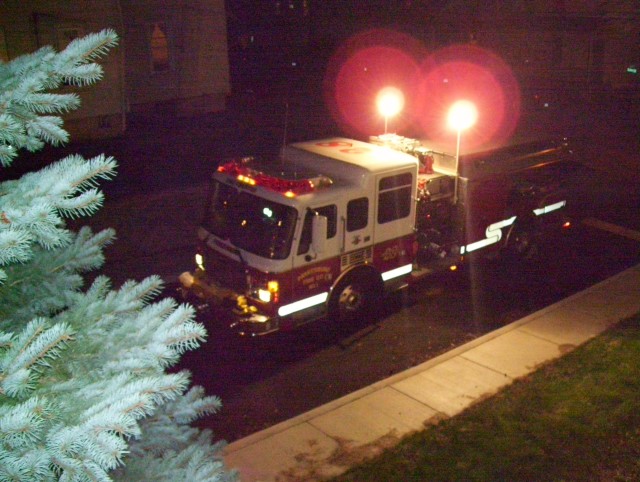
The crews made the short drive to the acquired structure to begin the practical evolutions. The crew was again split into two different teams and given tasks that needed accomplished. One team began different ventilation techniques and exterior operations from the Tower/Ladder while the other team began interior operations.
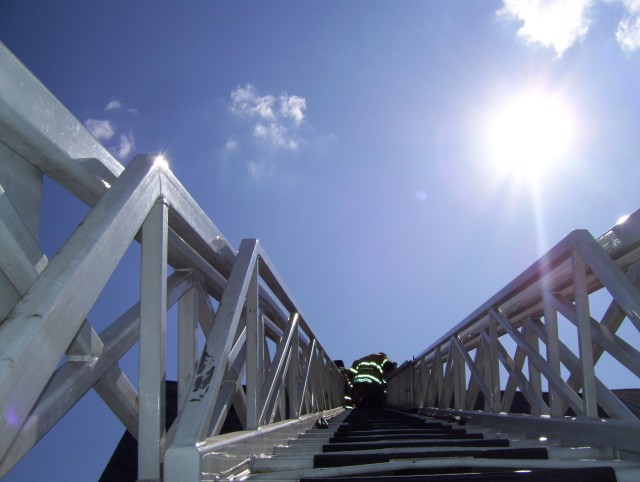
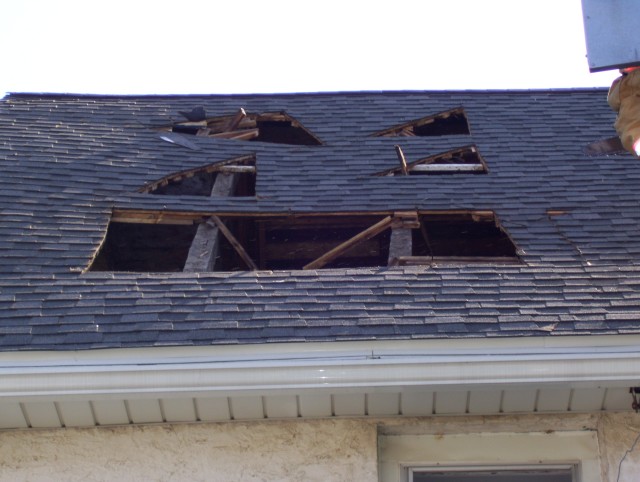
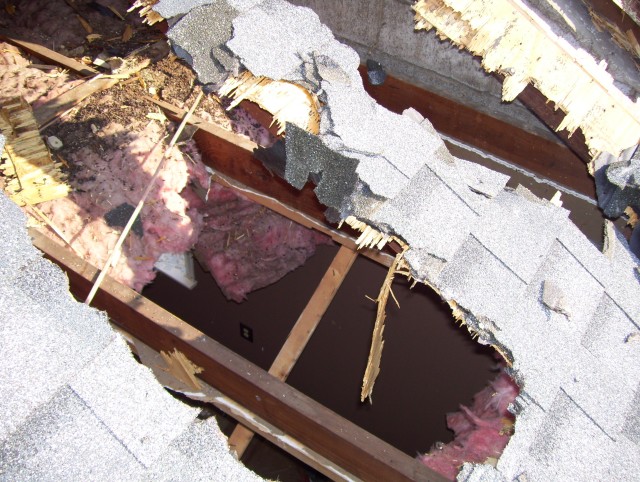
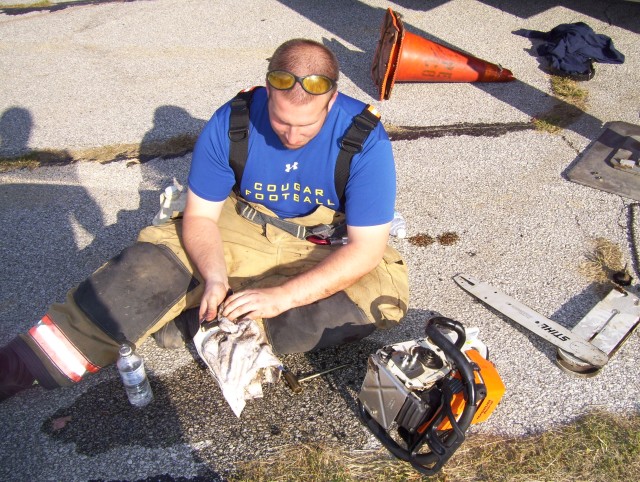
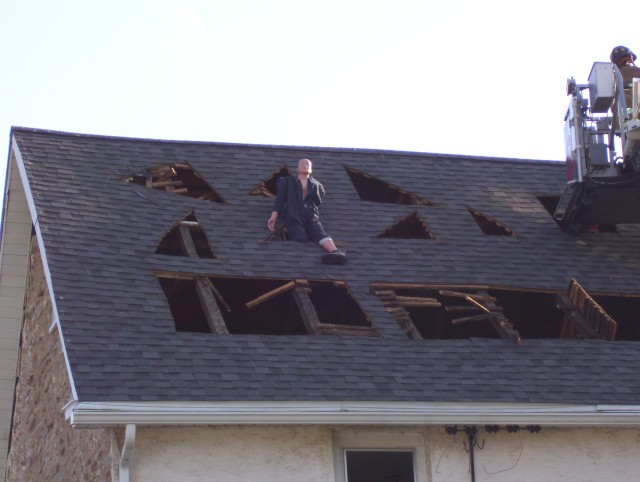
The outside team had to demonstrate skills for vertical ventilation along with making rescues from the bucket of the Tower/Ladder. Crews also had to deploy various ground ladders for both egress of interior crews and possible rescue of fire victims. The crews had to ventilate with both power saws and hand tools proficiently. The crews also had to demonstrate placing the bucket of the Tower/Ladder to a window or the roof and remove a "victim" from a hazardous environment to the bucket. After all members of the crew demonstrated there knowledge in all tasks the crews rotated through to the interior.
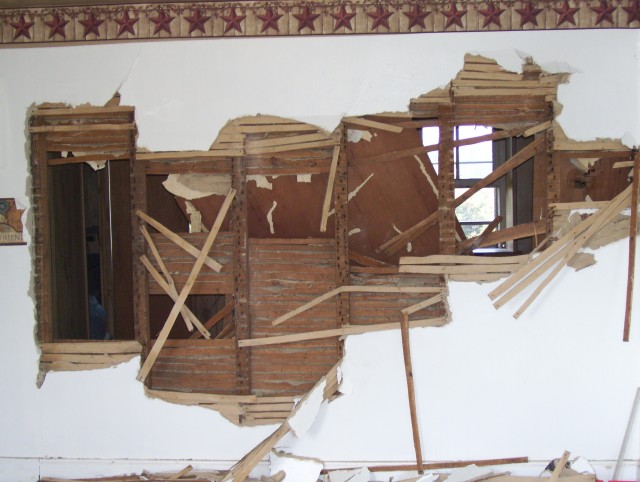
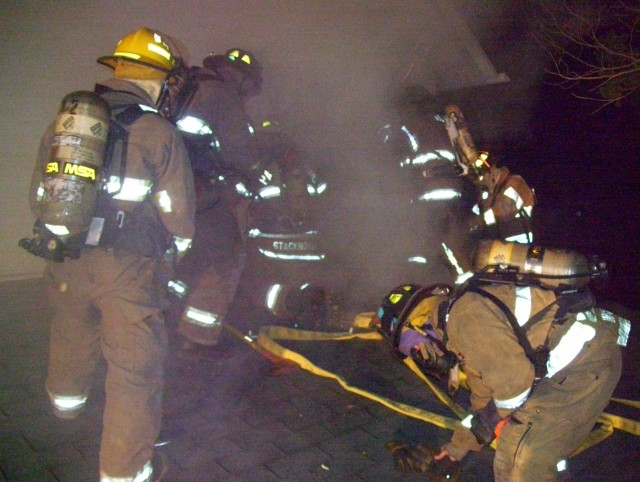
The interior tasks assigned were techniques like Vent Enter Search and Bridging floors among many other tasks. Vent Enter Search is a technique used to deploy the ground ladder to a window and rapidly search the room for an victims without protection from a handline. Overhaul was also practiced; this is used to "open up" all walls in an involved area to check for fire spread between walls and rooms and assure fire extinguishment. The crews also completed "bridging" floors and stairs. This is an all too necessary task with new construction. Due to newer houses using "lightweight" construction as a cheaper method it is sometimes necessary to Bridge a floor or stairs due to structural damage or burn through of an area.
After all crews rotated through the stations and demonstrated proficiency a short review of the day was completed. Class this day concluded around 1700 hrs.
The final night of class was spent going over Large Area search. The common practice for large area searches of using a rope and thermal imaging camera for safety was reviewed and put into practice for the students. The second method of entering on the second floor and using a handline and rope was also completed.
While going over the Rope method crews were taught to manage there rope and be cognoscente of conditions above the operation area for fire conditions. This is where the Thermal imager came into play as a safety measure. Other methods of checking conditions were also reviewed in the case of a thermal imager failure.
The handline method of search consisted of crews following the handline and securing a rope or webbing to the line or nozzle and searching the area off the line. Crews conducting this method were shown proper techniques such as not going more than 25 feet from the "protection area" of the line and communication skills at all times. Crews searching for the victim on the second floor also had to remove the victim from the hazardous environment through a window and down a ladder.
Overall the class was a huge success for all involved. Many techniques were practiced and will able to be employed on the fire ground with efficiency.
The officers and members of Parkesburg Fire would like to extend their thanks to the instructors for travelling to our station for the class. We would also like to thank the members of neighboring companies that attended the class with us.
As an Officer, I would like to also extend my thanks to the members that attended for taking time out of their busy schedule to train and better themselves and our company!
Companies that attended:
Parkesburg Fire Company
West End Fire Company
Thorndale Fire Company
Gap Fire Company
Chester County Fire Training Instructors
Our Instructors:
Lead: Matt Fink
Assist: Chris Obenchain
Assist: Todd Reese |